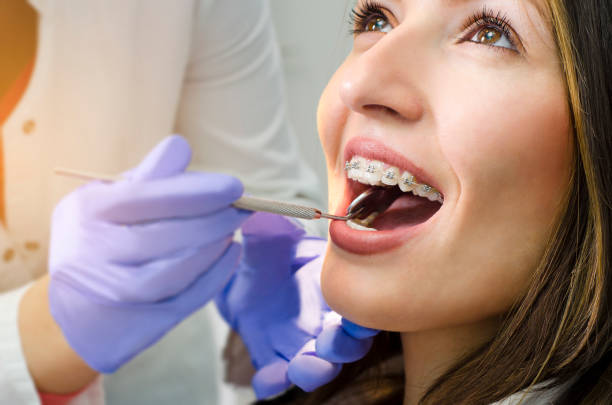
You worked hard to achieve a straight, confident smile, so noticing a tooth becoming crooked again can be frustrating. Even after successful treatment, teeth are not permanently locked into one position. The bone, gums, muscles, and surrounding tissues continue to change throughout life. This is why orthodontics in Jacksonville can play an important role not only in creating a straighter smile but also in addressing unwanted movement when it occurs. Understanding why teeth shift can help you protect your results and recognize when professional care may be needed.
One of the biggest reasons teeth move after orthodontic treatment is the natural tendency of surrounding tissues to adapt. During orthodontic treatment, gentle pressure gradually moves teeth through the jawbone. Once treatment ends, the tissues supporting those teeth need time to adjust to their new positions.
Without proper retention, the teeth may gradually move toward their previous locations. This process is often called relapse. Even people who had excellent results can experience some degree of movement if they do not consistently follow their retainer instructions.
Retainers are one of the most important tools for maintaining orthodontic results. They help hold teeth in their corrected positions while the surrounding bone and tissues stabilize.
Some people assume retainers are only necessary for a few months after treatment. In reality, teeth can continue changing throughout adulthood. Depending on the individual's situation, an orthodontic provider may recommend wearing a retainer long-term, sometimes primarily at night.
If a retainer no longer fits properly, feels unusually tight, or has been lost or damaged, it is better to have it checked rather than simply stopping its use.
Yes. Natural aging can affect the position of your teeth. As you get older, changes in the jawbone, gums, facial muscles, and bite can contribute to gradual movement.
The lower front teeth are particularly likely to show changes over time. This does not necessarily mean previous orthodontic treatment failed. Instead, it reflects the fact that the mouth remains a dynamic environment throughout life.
Teeth can also experience pressure from habits such as grinding or clenching. Repeated forces may place stress on the teeth and supporting structures. In some cases, these habits can contribute to changes in the bite, tooth wear, or unwanted movement.
Addressing the underlying habit can therefore be an important part of maintaining a stable smile. A dental professional can evaluate signs of excessive pressure and determine whether additional protection or treatment may be appropriate.
Healthy gums and supporting bone are essential for keeping teeth stable. Gum disease can damage the tissues and bone surrounding teeth, potentially increasing mobility or contributing to changes in their position.
This is one reason regular dental examinations and professional cleanings remain important even after orthodontic treatment. During an evaluation, a Jacksonville dentist can look for signs of gum inflammation, bone loss, unusual tooth mobility, or other conditions that may affect your bite and alignment.
A small amount of gradual movement may not always require extensive treatment, but noticeable changes should not be ignored. Schedule an evaluation if a tooth suddenly becomes crooked, your bite feels different, your retainer no longer fits, or you notice unusual looseness or discomfort.